 |
| Source: iStockPhoto |
The economic principle I’m exploring is Institutions are the “rules of the games” that influence choices.
My research question to help me study the economic principle is: In the US Government, how does the institutional design of the legislative, executive, and judicial branches shape and influence policymaking surrounding the hot topic of guns, as related to the recent school shootings?
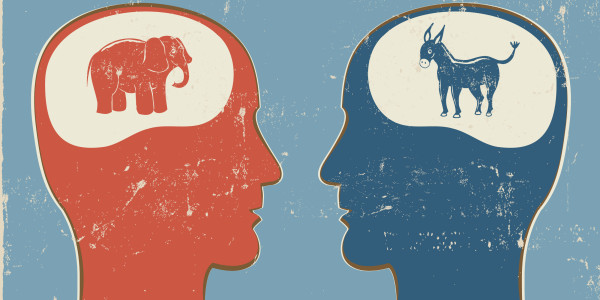
The article published in CNN Politics titled Why Congress is hesitant to pass gun control, by the numbers demonstrates this economic principle because it shows how America is sharply divided in opinion due to its bipartisan structure.
First, the article notes that even though 90% of Americans show universal background checks, and that there is no significant laws being passed on gun control, there are some sort of political obstacles that are hindering this process.
Second, in the wake of acts of terrorism, many opinions of America are highly polarized. In a study by Harry Enten, he found that Americans were more polarized on gun policy than any other issue except building a border wall against Mexico. Partly because of this, and with support from the NRA, the conservative forces are too strong for any effective action on gun control to take place.
Third, those who advocate gun rights are much more passionate and are around 15% more likely to contact their public officials in favor of gun rights instead of those who are pro-gun control. Furthermore, even if some Republicans don’t advocate for gun rights, they may vote in support of it so their republican voices will be heard. Although the long term trend is towards saving future victims by implementing harsher gun laws, right now, the political power is in the Republican’s hands.
In my next blog post I will research: The ridiculous reason Congress won't even debate gun laws

No comments:
Post a Comment